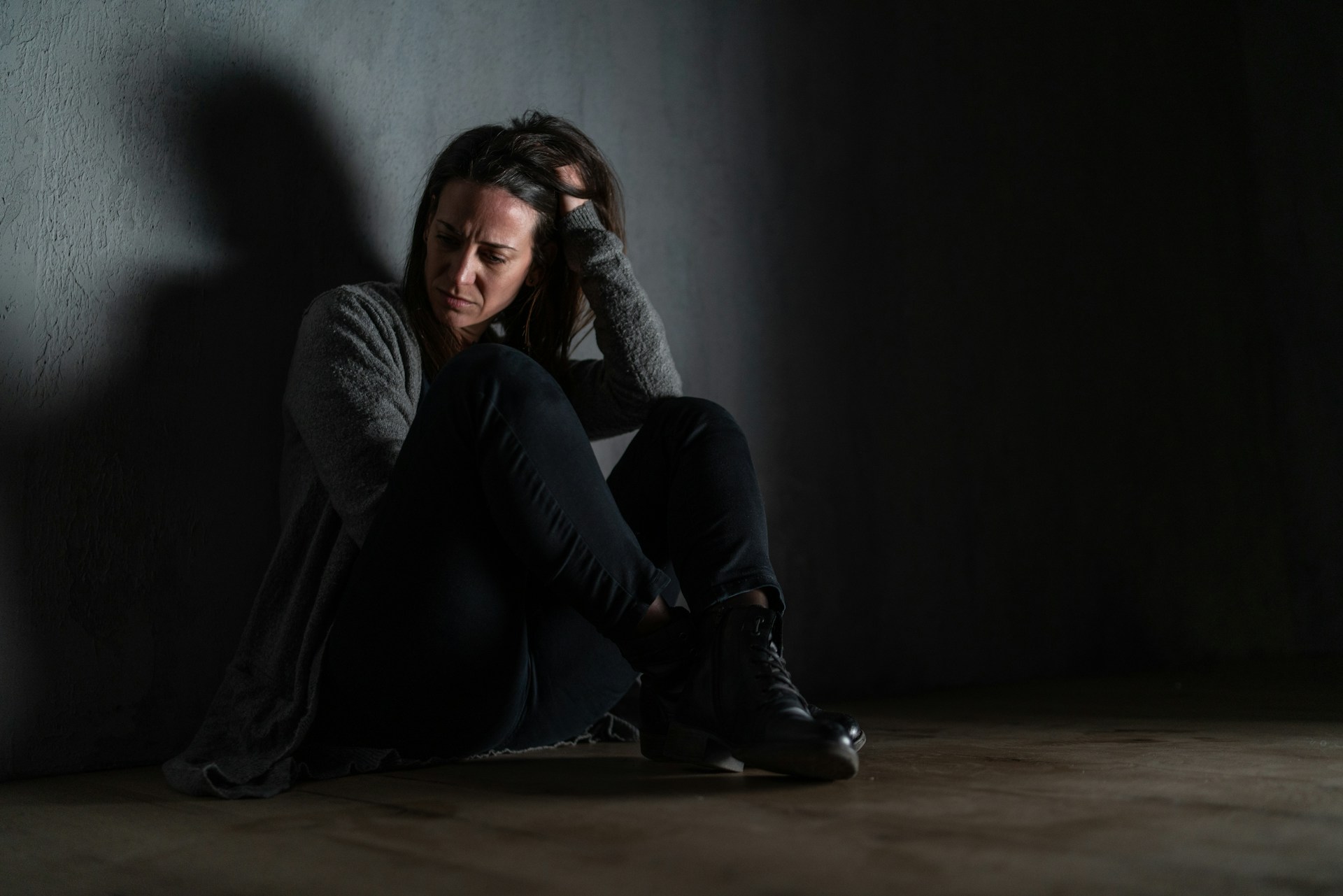
I thought the hardest part of being single again would be missing him.
It wasn’t.
The hardest part was realising how much of my life had quietly become ours.
Not just the obvious things.
Not the holidays or the anniversaries or the big plans.
I mean the stupid little things.
What we watched at night.
Where we went on Sundays.
What I bought at the supermarket without even thinking about it.
Who I texted when something funny happened.
Even the way I planned my week had another person built into it.
Then suddenly there was just me.
And I realised I had no idea what “just me” was supposed to look like anymore.

Being Single Felt Empty Before It Felt Free
Everyone loves to tell you about the freedom.
You can do what you want now.
You can go where you want.
You do not have to explain yourself.
You can sleep diagonally across the bed.
All true.
But nobody really talks about the stage before freedom starts feeling good.
The empty stage.
The bit where Saturday feels too long.
Where dinner for one feels slightly depressing.
Where you realise there is nobody automatically asking what you are doing later.
That was the part I struggled with.
I did not want the relationship back.
But I did want the familiarity back.
It took me a while to understand that those were not the same thing.
That distinction is at the heart of single life after a relationship. Sometimes you are not grieving the person as much as the structure your life had when they were in it.
I Had to Stop Waiting for My Life to Restart
For a while, I think I treated being single like a temporary administrative problem.
Something I had to get through.
I would eventually meet somebody else, and then life would become normal again.
Until then, I was just sort of waiting.
Waiting to feel better.
Waiting to meet someone.
Waiting for weekends to stop feeling strange.
Waiting for my life to have shape again.
That mindset kept me stuck far longer than I realised.
Because if single life is only the gap between relationships, then you never really invest in it.
You tolerate it.
And there is a huge difference between tolerating your life and actually living it.
I Started With Ridiculously Small Things
I did not reinvent myself.
I did not fly to Bali.
I did not suddenly become one of those women jogging at sunrise and drinking green smoothies while journaling about gratitude.
I started much smaller.
I bought food I liked.
I watched shows he would have hated.
I moved things around at home.
I stayed in bed longer on Sundays.
I started taking myself for coffee.
I made plans without automatically imagining whether another person would enjoy them.
It sounds insignificant.
It wasn’t.
Every tiny decision was a reminder that I had preferences of my own.
The Identity Part Was Harder Than I Expected
There is something strange that happens in a long relationship.
You do not stop being yourself exactly.
But “you” slowly becomes mixed with “we.”
Your routines merge.
Your social lives overlap.
Your plans become shared.
Your home becomes shared.
Even your future starts being imagined in plural.
Then the relationship ends, and suddenly you have to separate everything again.
That is why I liked the way this was explained in rebuilding your life after a relationship.
The goal is not to erase the person you were with.
It is to make your life feel inhabited by you again.
That line of thinking helped me more than all the “glow up after a breakup” advice ever did.

Weekends Were the Worst at First
Weekdays were manageable.
Work gave me something to do.
There were emails, errands, calls, deadlines.
Then Friday evening arrived.
That was when single life became impossible to ignore.
There was suddenly no automatic plan.
No shared dinner.
No “what are we doing tomorrow?”
No lazy Sunday routine.
I used to think I needed to fill every hour.
I did not.
I just needed one or two anchors.
Saturday morning coffee somewhere.
A walk.
Seeing a friend.
A market.
A film.
Something that made the weekend feel intentional rather than abandoned.
I Had to Learn That Missing Company Was Not the Same as Missing Him
This was probably the biggest lesson.
There were nights when I missed him terribly.
Or at least I thought I did.
Then I started asking myself what I actually missed.
Someone sitting next to me?
Someone asking how my day was?
Touch?
Conversation?
Having a person who knew all the boring little details?
Once I broke it down, I realised that sometimes I did miss him.
But sometimes I just missed having someone.
That difference stopped me romanticising the relationship every time I felt lonely.
Being Single Became Easier When It Stopped Feeling Like Failure
I used to feel slightly embarrassed by being single.
Not because anyone had actually told me I should be.
It was more subtle than that.
Couples seem to be treated as if they have reached some kind of adult milestone.
Single people are often treated like they are still trying to get there.
That thinking is exhausting.
Because then every birthday feels like a deadline.
Every wedding invitation feels like a reminder.
Every couple photo online feels like evidence that you are behind.
Eventually I stopped treating partnership as proof that life was going correctly.
That changed everything.
I Stopped Saving Things for a Future Relationship
This one surprised me.
I realised I was saving parts of my own life.
I would think:
I will go there when I have someone to go with.
Or:
I will book that kind of holiday when I am in a relationship again.
Or:
I will redo the bedroom one day when I am settled with someone.
Why?
Why was I waiting for another person to unlock things I already wanted?
So I started doing them.
Not all at once.
Just one by one.
And every time I did, single life felt a little less like an unfinished version of real life.
I Did Not Need to Become Fiercely Independent
This is another thing I misunderstood.
I thought learning to be single meant learning not to need anybody.
That is rubbish.
I still needed people.
I needed friends.
I needed someone to laugh with.
I needed conversations.
I needed connection.
The difference was that I stopped expecting one romantic relationship to provide almost all of it.
My life got wider.
Different people occupied different parts of it.
And that actually made me feel less lonely than obsessively searching for one person to replace my ex.
There Was a Point When I Realised I Actually Liked My Life
It did not happen dramatically.
There was no movie montage.
I just woke up one Saturday and realised I was happy there was nothing I had to do.
I made coffee.
I put music on.
I changed my mind about what I wanted to do that afternoon.
Nobody cared.
Nobody needed an explanation.
And for the first time, that did not feel lonely.
It felt peaceful.
That was when I understood something else I had read in being single again after a long relationship: adjusting to single life is not really about becoming someone who never wants love again.
It is about building enough of a life of your own that another relationship does not have to become the whole thing.
I Still Want Love
This is important.
Enjoying being single did not turn me against relationships.
I still like intimacy.
I still like being close to somebody.
I still think love can be wonderful.
I just no longer think love is where life starts.
That is the difference.
If I meet someone again, I want them to enter a life that already exists.
I do not want them to become the structure holding everything up.
I want friends.
Routines.
Plans.
Places I love.
Things that are mine.
Then, if somebody fits into that, brilliant.
But I do not want to disappear inside another “we” again.
The Quietest Change Was the Most Important
At some point, I stopped thinking of myself as someone recovering from a relationship.
I was just living.
There were new people.
New routines.
New memories.
Places he had never been.
Stories he did not know.
A version of me that had continued developing after the relationship ended.
That was when single life finally stopped feeling empty.
Not because somebody filled the gap.
Because eventually there was no gap.
There was simply my life.