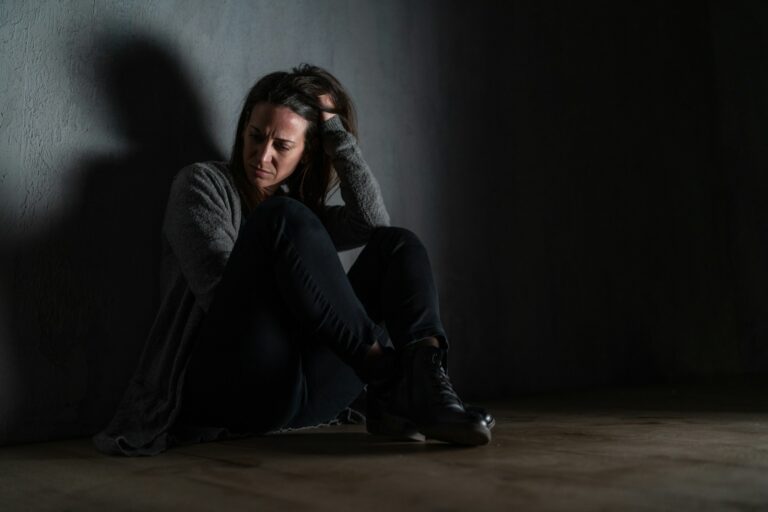

I Knew He Was Hurting Me. So Why Did I Keep Going Back?
I used to think leaving would be the hard part.
I was wrong.
Leaving was awful, obviously. There were tears, long silences, those horrible moments where I would stare at my phone and feel physically sick because he had not messaged.
But what surprised me was what came after.
I had left because I was unhappy. I had left because the relationship had become exhausting. I had left because every argument seemed to end with me questioning myself, apologising for things I did not fully understand, and waiting for him to become warm again.
And yet within days, I wanted him back.
Not because anything had changed.
Not because the relationship had suddenly become healthy.
Because the silence felt unbearable.
That was the part I did not understand at first.
I thought missing him meant I had made the wrong decision.
Later, I started reading about trauma bonding and why harmful relationships can become so difficult to leave, and suddenly the contradiction made more sense.

I Was Addicted to the Relief, Not Just the Relationship
That sounds dramatic, but emotionally, that is how it felt.
When things were bad between us, I could barely think about anything else.
I would replay conversations. Check whether he had been online. Wonder whether I had pushed too hard. Wonder whether I had been too needy. Wonder whether I should apologise just to make the tension stop.
Then he would soften.
He would send something affectionate. Tell me he missed me. Make a joke that broke the tension. Put his arm around me. Act like the version of himself I had fallen in love with.
And the relief was enormous.
That was what made the whole thing so confusing.
The good moments felt incredibly good, but partly because they arrived after I had been emotionally starving.
This is closely related to intermittent reinforcement in trauma bonding — when affection, reassurance and closeness are unpredictable enough that you become intensely focused on when they will return.
I Kept Mistaking Reconciliation for Change
Every time we got back together, I felt hopeful.
This time would be different.
This time he really understood.
This time I would be calmer.
This time he would communicate better.
This time we would stop hurting each other.
And for a while, things often were better.
That was the problem.
If he had been cruel every single day, I think leaving would have been easier.
But he was not.
There were good days. Lovely days, actually.
There were moments when I felt completely seen by him.
There were apologies that sounded sincere.
There were weekends where I thought, “See? This is us. This is who we really are.”
Then slowly, the old pattern came back.
I started walking on eggshells again.
He withdrew.
I became anxious.
We fought.
I questioned myself.
Something broke.
Then came the apology, the affection, the relief.
And we started again.
If that cycle sounds familiar, why you keep going back to someone who hurts you explains why the return itself can become part of the pattern.
The Hardest Part Was Admitting That Love Was Not the Same as Safety
I did love him.
That is still difficult to say because people like simple stories.
They want the harmful relationship to have been fake from beginning to end.
They want you to realise that you never loved them at all.
But that was not my experience.
I loved him.
I also became less secure around him.
I became more anxious.
I stopped trusting my own judgement.
I spent more time thinking about how he felt than how I felt.
I became terrified of losing a relationship that was already making me miserable.
That was when I started to understand that a trauma bond can feel profoundly like love without being the same thing as a safe, secure relationship.
The feelings do not have to be fake for the pattern to be unhealthy.

No Contact Felt Worse Before It Felt Better
The first time I stopped replying, I expected to feel strong.
I did not.
I felt panicked.
I checked my phone constantly.
I imagined him with someone else.
I wondered whether he was relieved I was gone.
I wanted to send one final message explaining myself properly.
Then another.
Then another.
I told myself I just wanted closure.
What I actually wanted was relief.
I wanted the familiar feeling of him replying and making the emptiness stop.
That is why no contact after a trauma bond can feel so hard at first. The relationship has stopped, but your emotional system may still be waiting for the next turn in the cycle.
I Thought Missing Him Meant I Should Go Back
This was probably the biggest mistake I made.
I treated longing like evidence.
If I missed him this much, surely that meant something.
If I still loved him, surely I should not give up.
If leaving hurt this badly, surely staying must have been the better choice.
But feelings are not instructions.
You can miss someone and still know the relationship was wrong for you.
You can love someone and still need distance.
You can want to call them and decide not to.
You can cry for someone and still choose yourself.
That separation between what I felt and what I did became everything.
How I Knew the Bond Was Finally Weakening
It was not dramatic.
I did not wake up one morning completely over him.
The changes were smaller.
I stopped checking my phone every five minutes.
I could remember something lovely without immediately wanting him back.
I stopped arguing with him in my head.
I stopped imagining the perfect apology.
I stopped needing him to agree that he had hurt me.
I started trusting my own version of events again.
That is why I like the way the trauma-bond recovery timeline is explained here: there is no magic number of days. Progress is often visible in what you stop doing before it is visible in what you stop feeling.
It Was Not Just Attachment
For a while, I assumed I was simply anxiously attached.
Maybe I was.
But that explanation alone did not account for everything.
I was not only afraid of losing him.
I was also repeatedly being hurt, destabilised, reassured, pulled close and pushed away.
That distinction matters.
Trauma bond vs attachment is a useful comparison because not every intense relationship is a trauma bond, and not every insecure attachment pattern involves abuse or coercion.
The context matters.
If You Keep Going Back, Ask Yourself This
Do not only ask, “Why do I love them so much?”
Ask:
- What happens immediately before I feel desperate for them?
- Do I feel safest with them, or simply relieved when they stop withdrawing?
- Do their apologies lead to lasting change?
- Can I set boundaries without being punished?
- Do I feel more confident in this relationship, or less?
- Am I attached to who they consistently are, or to who they become when they fear losing me?
Those were the questions that finally helped me see the relationship more clearly.
I Did Not Stop Loving Him Before I Left
I wish I could tell you that I became completely detached first.
I did not.
I left while I still loved him.
I stayed away while I still missed him.
I rebuilt my life while part of me still hoped he would become the person I had spent years waiting for.
That was the real beginning of recovery.
Not when I stopped feeling.
When I stopped letting the feeling make the decision for me.
Sources
- Dutton DG, Painter S. Emotional Attachments in Abusive Relationships: A Test of Traumatic Bonding Theory.
- Casassa K, Knight L, Mengo C. Risk Factors for Traumatic Bonding and Associations With PTSD Symptoms.
- National Domestic Violence Hotline: Identifying & Overcoming Trauma Bonds.
- National Domestic Violence Hotline: Is Abuse Really a “Cycle”?