
By the time I started seriously thinking about marriage, I had already imagined the wedding about seventeen different ways.
Not in a dramatic, secret-Pinterest-board kind of way.
Well… maybe a little.
I had imagined the dress, the soft lighting, the flowers, the family photographs and that quiet moment when everything finally feels settled. I had imagined waking up beside someone who felt safe. Someone who understood me. Someone I could build a home with.
What I had not imagined quite as clearly was the ordinary part.
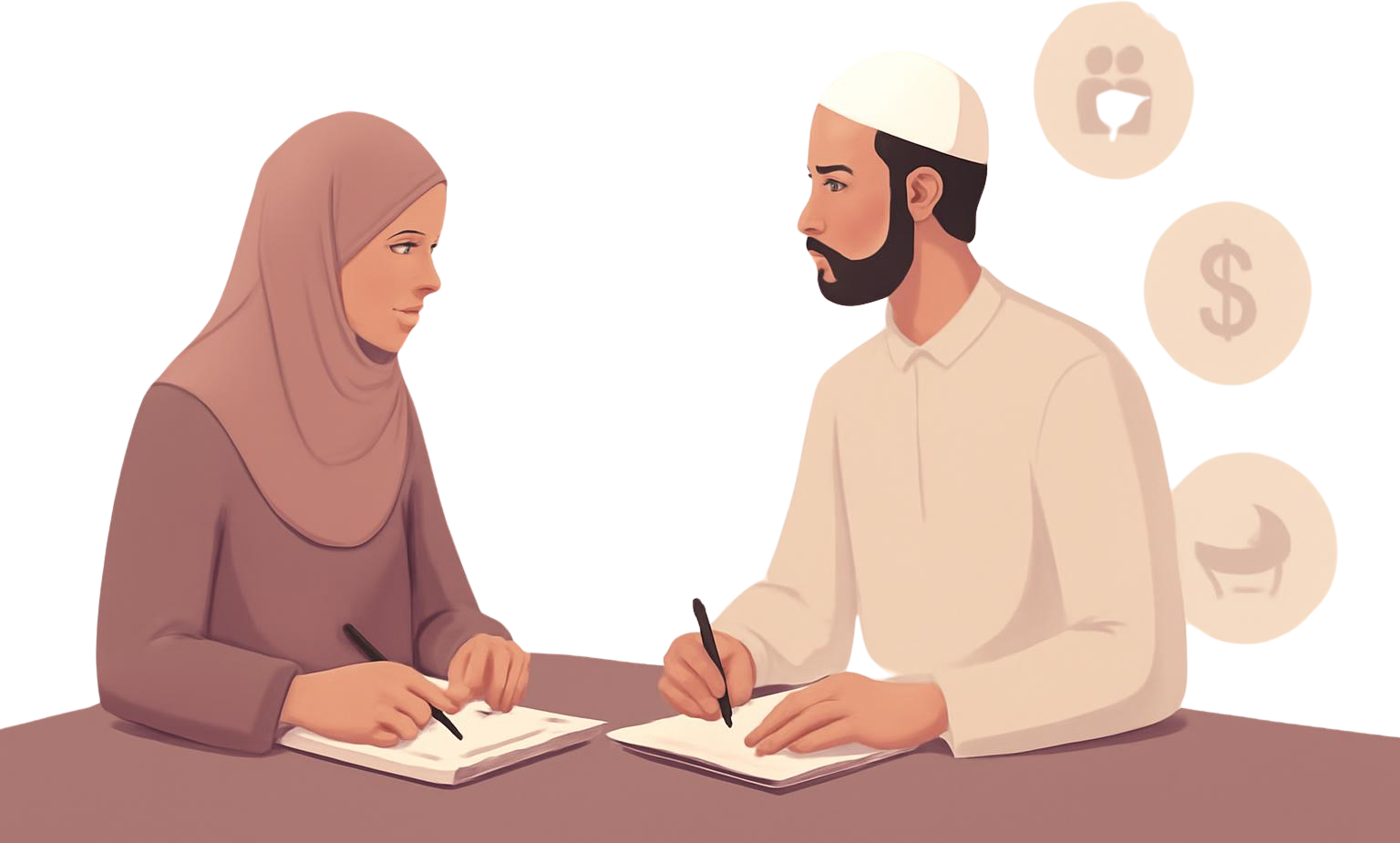
The difficult conversations. The family expectations. The questions about money, faith, work, children and where we would live. The awkward moments when two people realise that loving each other and understanding marriage in the same way are not necessarily the same thing.
That was the part no one had made look pretty.
When “I Want to Marry Him” Feels Like the Whole Answer
When you really care about someone, it is easy to believe that wanting the relationship badly enough must mean you are ready for it.
I used to think readiness would feel like certainty.
I thought I would meet the right person and suddenly all the questions would disappear. There would be no doubt, no hesitation and no need to examine everything so closely.
Instead, serious relationships often create more questions.
You begin wondering whether your families will understand each other. Whether you share the same expectations around faith. Whether the kindness you see during peaceful moments will still be there during stress, disappointment or disagreement.
And because you do not want to lose something that feels promising, you may start answering those questions on the other person’s behalf.
“He will probably become more responsible once we are married.”
“His family will calm down eventually.”
“We do not need to discuss that yet.”
“It will all work itself out.”
Maybe it will. But “maybe” is doing a lot of work in those sentences.
This is why a thoughtful look at Muslim marriage readiness before nikah can be so helpful. It gently moves the focus away from simply wanting marriage and toward understanding what the marriage would actually require.
The Conversation That Changed Everything
I remember sitting across from a friend at a café while she stirred the same cup of tea for what felt like ten minutes.
She had been speaking to someone for nearly a year.
He was kind. He spoke seriously about marriage. Their families knew about each other, at least vaguely. She had already pictured how their future might look.
But whenever she tried to ask about a timeline, the conversation became foggy.
There was always a reason to wait.
Work was uncertain. His family needed more time. He wanted to be financially secure. He was not emotionally ready for pressure. He asked her to trust him.
None of those explanations sounded ridiculous on their own.
That was what made the situation so confusing.
She did not feel as though he was lying. She simply could not tell whether they were preparing for marriage or preserving the idea of it.
Finally, she said, “I do not know whether I am being patient or whether I am just scared to lose him.”
That sentence stayed with me.
Because sometimes the real question is not whether you love someone.
It is whether love has made it harder to see what is actually happening.
Readiness Is Not Always Romantic
Readiness looks surprisingly ordinary.
It looks like someone answering a difficult question without punishing you for asking it.
It looks like making plans, keeping promises and being honest when something cannot happen yet.
It looks like discussing debt, housing, family responsibilities and work without pretending that love will make practical problems disappear.
It looks like being able to say, “I had not thought about that,” instead of becoming defensive.
It also looks like two people being willing to discover that they may not agree.
That part matters because compatibility is not created by avoiding disagreement. It is revealed by what happens when disagreement appears.
You do not need identical personalities or matching opinions on everything. But you do need enough emotional safety to talk about the differences that will shape your daily life.
Family Expectations Can Enter the Relationship Quietly
Sometimes you think you are getting to know one person, and then slowly realise you are also getting to know an entire system.
There may be expectations about where you will live, how often you will visit relatives, how private your marriage should be and how much influence parents will have over major decisions.
None of this automatically means a family is controlling.
Family involvement can be beautiful. It can offer wisdom, practical support and a sense that the marriage belongs within a wider community rather than existing in isolation.
But unspoken expectations can become painful later.
If one person imagines a private, independent marriage and the other imagines daily family involvement, love alone will not resolve the difference.
Someone eventually has to say it out loud.
What does respect for parents mean after marriage?
How are disagreements handled if a family member crosses a boundary?
Will one spouse be expected to constantly adapt while the other remains protected from discomfort?
These are not small details. They are part of the emotional architecture of the home you are trying to build.
Faith Should Make Honesty Easier
Faith can bring a beautiful seriousness to marriage.
It can remind two people that commitment is not only about chemistry, attraction or avoiding loneliness. It can encourage responsibility, patience, mercy and intention.
But faith should never be used to make someone feel guilty for asking reasonable questions.
You should be able to talk about religious practice, expectations, modesty, community, children and the kind of spiritual life you hope to create together.
You should also be able to admit when those expectations are different.
Sometimes people use spiritual language because they genuinely want to reassure each other. Other times, phrases about destiny, patience or trust are used to end a conversation that needs to continue.
Real trust does not require silence.
It creates enough safety for truth.
The Little Questions That Are Actually Big Questions
Some of the most important questions do not sound romantic enough to belong in a love story.
Who will manage the household budget?
What happens if one person earns much more?
Do both people expect to work after marriage?
How will household responsibilities be divided?
What happens when one person needs space after an argument and the other needs reassurance?
How involved will each family be?
What does loyalty look like online and offline?
How will decisions about children be made?
These conversations can feel awkward because they interrupt the softer fantasy of marriage.
But that is exactly why they matter.
It is easy to feel compatible while discussing dreams. Compatibility becomes clearer when you discuss responsibility.
Pay Attention to How He Handles Your Boundaries
There is something incredibly revealing about the way a person responds when you slow things down.
Maybe you say you want your family involved.
Maybe you are not comfortable with secrecy.
Maybe you need a clearer timeline.
Maybe you want to reduce emotional intimacy until there is a more defined path forward.
A mature person may feel disappointed, but they will still understand that your boundary exists for a reason.
They will not make you prove your love by abandoning your comfort.
They will not disappear to punish you.
They will not make you feel dramatic for needing clarity.
The response does not have to be perfect. But it should still contain respect.
That matters because marriage does not reduce the need for boundaries. It creates more situations in which boundaries become essential.
Sometimes the Hardest Question Is About You
It is easy to focus entirely on whether the other person is ready.
But you also have to ask whether you are seeing the relationship clearly.
Are you excited about this person, or mostly relieved that someone wants to marry you?
Are you choosing the relationship because it feels healthy, or because starting again feels exhausting?
Are you dismissing your own concerns because you are afraid that saying them aloud might change everything?
Are you waiting for marriage to fix loneliness, insecurity or uncertainty that already existed before the relationship?
These questions are not meant to frighten you away from love.
They are meant to protect the part of you that can become very quiet when attachment grows stronger.
My Friend Finally Asked for a Real Plan
The friend from the café eventually asked for clarity.
Not an immediate wedding date. Not an ultimatum delivered in anger.
Just a real conversation.
What needed to happen before marriage could move forward?
What was the timeline?
When would the families speak properly?
What was he doing, specifically, to prepare?
His response told her more than the previous year of reassurance had.
He became irritated. He said she was creating pressure. He accused her of not trusting him. Then he became distant.
She was devastated.
But she also finally had an answer.
The boundary had not ruined a secure relationship. It had revealed that the relationship could only remain peaceful while she asked for very little.
That is not the kind of peace most people are hoping to find in marriage.
You Do Not Need Perfect Certainty
No one reaches marriage knowing everything.
You cannot predict every hardship or guarantee that two people will never change. Even the most careful preparation cannot remove all risk.
The goal is not to feel completely fearless.
The goal is to have enough information to make a grounded decision.
You should understand the person’s character beyond the sweet moments. You should know how they respond to disappointment, responsibility and disagreement. You should be able to discuss faith, family, money, children and everyday expectations without feeling that one honest question could destroy everything.
The complete guide to knowing whether you are ready for Muslim marriage explores these areas in more depth and can help you organise the thoughts that may currently feel tangled together.
The Kind of Love That Can Hold a Real Life
Marriage is not only the beautiful beginning.
It is the tired Tuesday night. The unexpected bill. The family disagreement. The illness. The apology. The shared joke in the kitchen. The quiet decision to stay kind when both people are stressed.
That does not make marriage less romantic.
In some ways, it makes it more so.
There is something deeply romantic about being able to trust that someone will remain honest when the conversation is uncomfortable.
There is something beautiful about being loved without having to silence your needs.
There is something reassuring about a person whose actions make the future feel clearer, not more confusing.
You do not need every detail of married life figured out before nikah.
But you deserve to know that the relationship can hold reality—not only hope.